
Netflix’s OLYMPO wants to be a lot of things and, somehow, it mostly pulls it off. It’s messy, stylish and more thoughtful than you’d expect.
From the same creators of Elite, OLYMPO is a sports drama that touches on relevant themes, such as doping, sexuality, abuse, and power. Much deeper than I’d imagine a Young Adult show could be.
Set in the stunning Alps background of the Pyrenees, the series follows a group of elite young athletes training at the Centro de Alto Rendimiento Pirineos – a high-performance sports facility where medals are won, bodies are broken, and personal trauma simmers just under the surface.
Hovering over it all is OLYMPO, a global fashion brand that hand-picks the most promising athletes from the training centre’s portfolio to sponsor. But their interest seems to be way beyond pure marketing.
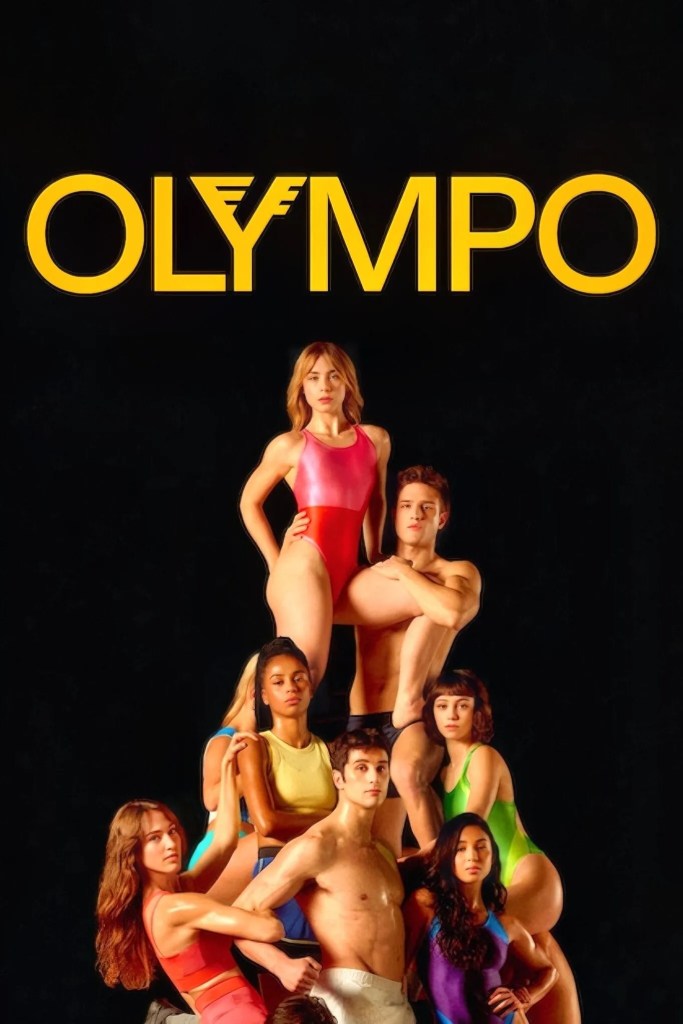
Amaia is the heart of OLYMPO, even if the writers didn’t plan for her to be
At first, the story frames Zoe (Abril Montilla) as the main character – she’s moody, secretive, carrying some trauma from her accident with her closest friend. But OLYMPO quickly shifts focus to Amaia, played by María Pedraza, an that’s when the show moves forward.

Amaia is complicated in a way that teen drama characters rarely get to be. She’s not chasing fame – she’s surviving. Raised under the pressure of her toxic, abusive mother (who was a successful high-performance athlete herself) and moulded into a winning machine, Amaia does everything she can to not crack. She tries to adapt and please. But eventually, she bends and breaks out of exhaustion.
Pedraza plays her with control and restraint. She never begs the audience to like her, which makes her arc land even harder. You believe her, even when you don’t agree with her.
Roque and the Rugby Toxic Masculinity
Roque is the kind of character that can be easily stereotyped and forgettable – even annoying sometimes – but not here. Played by Àlex Pastrana, he’s a rising rugby star. The complexity Pastrana brings to Roque saves the character. He tries hard to give Roque dimension and depth as a queer rugby player.
Also, choosing rugby as the sport for this storyline is not random. This is the ultimate ‘masculine’ sport – physical, aggressive, soaked in tradition. But it is also the sport that carries that weird gay-adjacent fantasy energy. OLYMPO leans into both. Roque exists between both extremes: being objectified by his sponsors as the LGBT player advocate to the maximum, while he tries to deal with prejudice within his own teammates and coach.
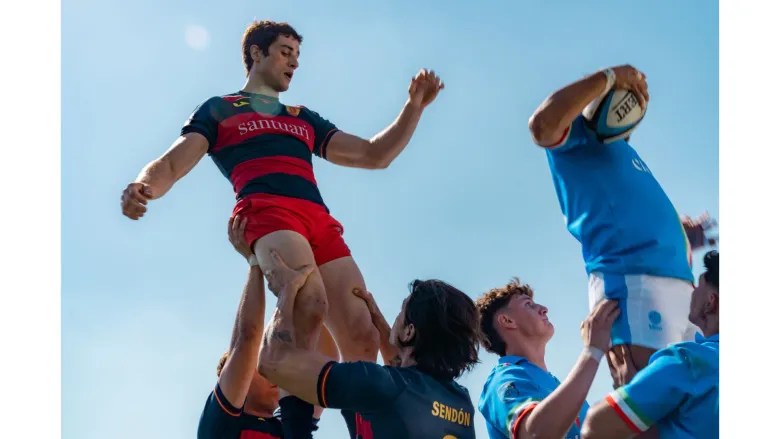
His arc is one of the strongest in the show. His friendships and his attempts at relationships while dealing with his own pains echo into the effects of OLYMPO’s drug effects later in the show. It does feel like the writers paid a lot of attention when writing Roque’s story arc.
Renata: subtle, but unforgettable
Renata doesn’t get a flashy storyline, but her few moments on screen land well. In scenes with Zoe, particularly the one where she explains why she’s been removed from competitions, we are compelled to pause and slow down the show to focus on the communication.
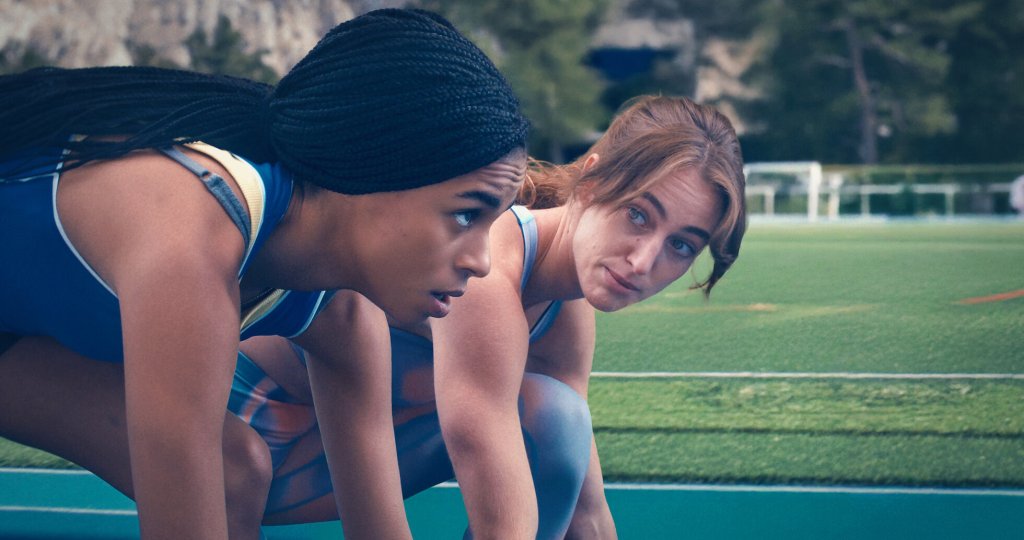
Zoe Arnao plays Renata quietly. No big speech, no dramatic big moments. Just a young woman reckoning with how her body is being politicised by a system that sees her as a liability. It’s one of the few times OLYMPO stops long enough to show us the emotional reality behind all the athletic glory.
OLYMPO doesn’t break new ground, but it knows what it’s doing. It explores ambition, abuse, identity, and the brutal cost of excellence with more care than most teen dramas dare to. It’s messy, but undercooked in places, and ocasionally feel like it’s reaching for prestige it hasn’t earned.
But when it clicks, it works.
Rating

Snackable: Entertaining and watchable, but nothing ground-breaking.
 POPFICTION
Leave a comment